
Digestavi.nyc

Avi's weekly digest, 2026

The week of Oct 25 to Nov 6.

Oct 25 to Nov 6, 2026. 5 bookmarks saved this week, sorted into 3 topics.

01

Product, marketing, and growth

2 bookmarks

  1. patrickc @patrickc

    I'm now building an "improvements" feature into all of my personal vibecoded applications: a freeform text input that's hooked up to an agent that yolo implements whatever is submitted. It's an interesting experience -- the activation energy barrier to sanding any rough edge or implementing any new feature becomes extremely low. Someone else who uses one of the applications I created has already implemented 150 improvements over the course of a few days. This pattern feels like a new kind of tool -- liquid software? -- and every application that doesn't have this feature now has a slightly…
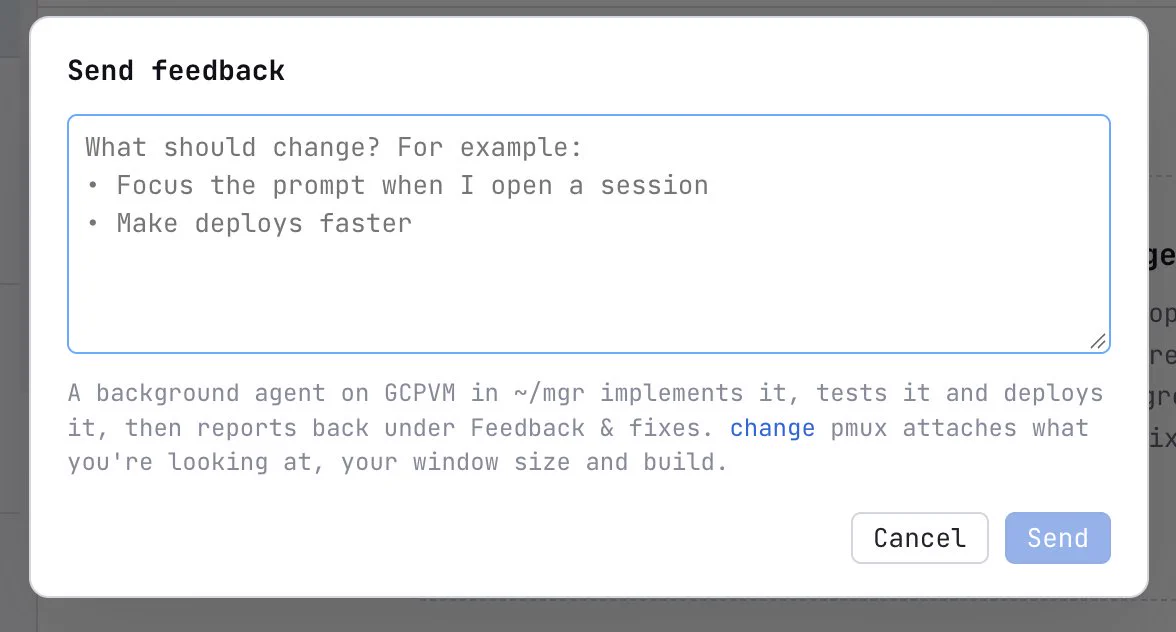
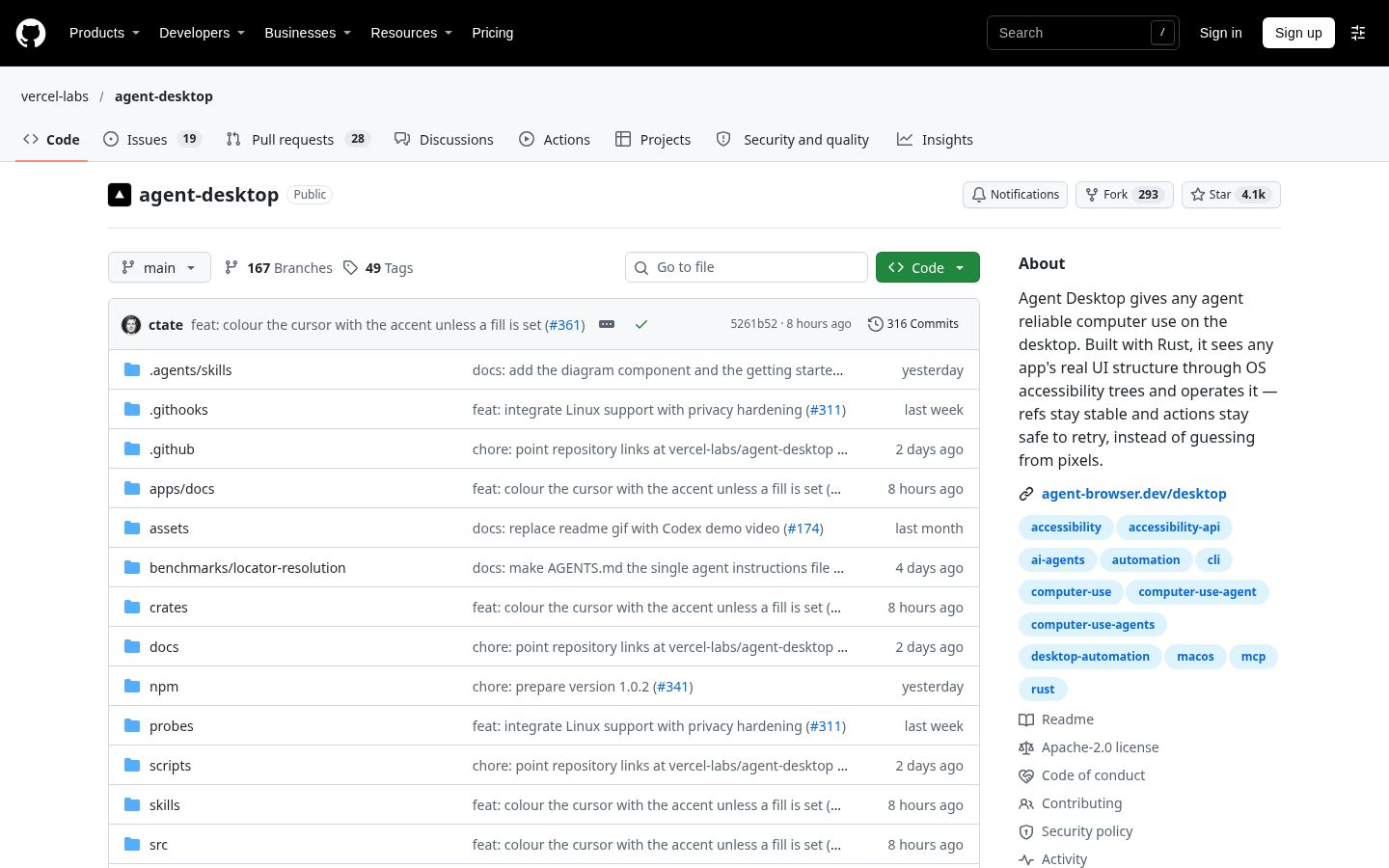
    Image from the post by patrickc

    Patrick Collison is adding an improvements field to personal apps that sends requests to an agent for implementation. He says one user submitted 150 improvements in a few days, and raises questions about security and maintainability as the idea scales.

    Why it matters. I keep building small apps for myself and the people around me, and I want to try giving them a way to ask the app itself for changes. The question for me is where to put review between a request and a deployed feature.

  2. How to Get AI Agents to Recommend Your Articles

    every.toSaved Oct 27#4

    Mike Taylor tested article recommendations across 2,484 simulated agent sessions. In one test, a headline and subtitle that explicitly described a prompt-engineering guide increased the article's citation rate from 2 of 240 sessions to 240 of 240; the experiment did not measure live traffic.

    Why it matters. I write titles for people, but agents may encounter those titles while deciding what to recommend. The simulation is a reason to make the contents clear, though I'd want to see the live-traffic results before treating the numbers as a playbook.

02

AI agents and the software factory

2 bookmarks

  1. Screenshot of GitHub - vercel-labs/agent-desktop: Agent Desktop gives any agent reliable computer use on the desktop. Built with Rust, it sees any app’s real UI structure through OS accessibility trees and operates it — refs stay stable and actions stay safe to retry, instead of guessing from pixels.

    GitHub - vercel-labs/agent-desktop: Agent Desktop gives any agent reliable computer use on the desktop. Built with Rust, it sees any app’s real UI structure through OS accessibility trees and operates it — refs stay stable and actions stay safe to retry, instead of guessing from pixels.

    github.comSaved Oct 31#2

    Vercel's Agent Desktop is a CLI and C library that lets agents operate desktop apps through accessibility trees on macOS, Windows, and Linux. Agents take a snapshot, act on an element reference, and take another snapshot to verify the change.

    Why it matters. Giving an agent the actual UI structure seems like a useful alternative to asking it to guess from screenshots. I'd also pay attention to the privacy warning: snapshots and logs can contain whatever is on the desktop.

  2. Tony @tonycueva

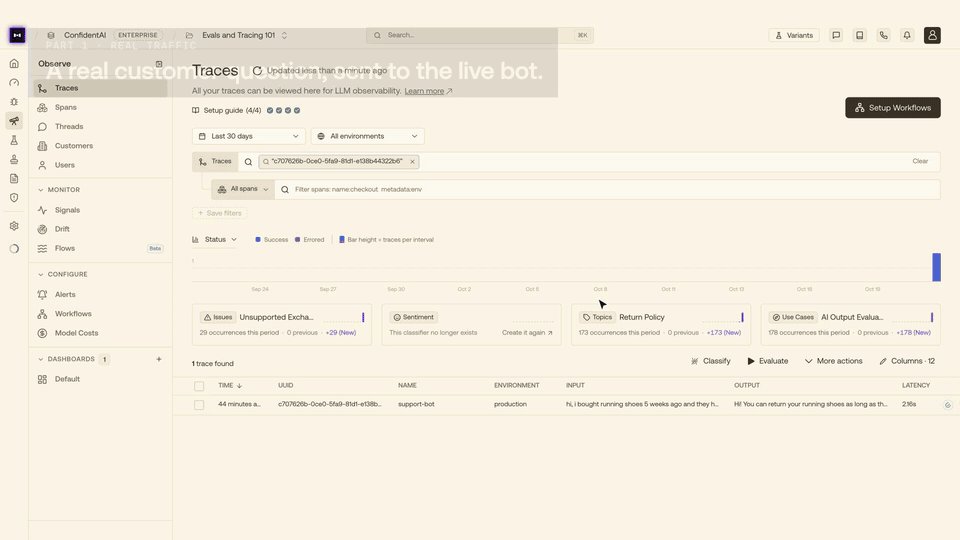
    Part 2 of the evals and tracing guide for engineers, QAs, and PMs who want to test every change to their AI app. After the first eval works, every team I talk to hits a second wall. You find a bug, you fix it, and a few test questions prove the fix. Then someone changes the prompt to fix a different bug. Nobody can say what else that change broke. It happened to us too. In Evals and Tracing 101 , five test questions proved our fix to a shoe store support bot. Then I put the same bot on a live server and asked it 20 questions from its real traffic, 3 times each. It passed 33 of 60. The five…

    Image from the post by Tony

    Tony walks through building an eval harness for a shoe-store support bot using questions from real traffic. In his initial run, the bot passed 33 of 60 tests despite passing five questions aimed at an earlier bug.

    Why it matters. A fix can look good against the examples that prompted it and still break something else. I like the practice of turning real failures into a repeatable test set, and running each question more than once to find flaky results.

03

Tools, craft, and curiosity

1 bookmark

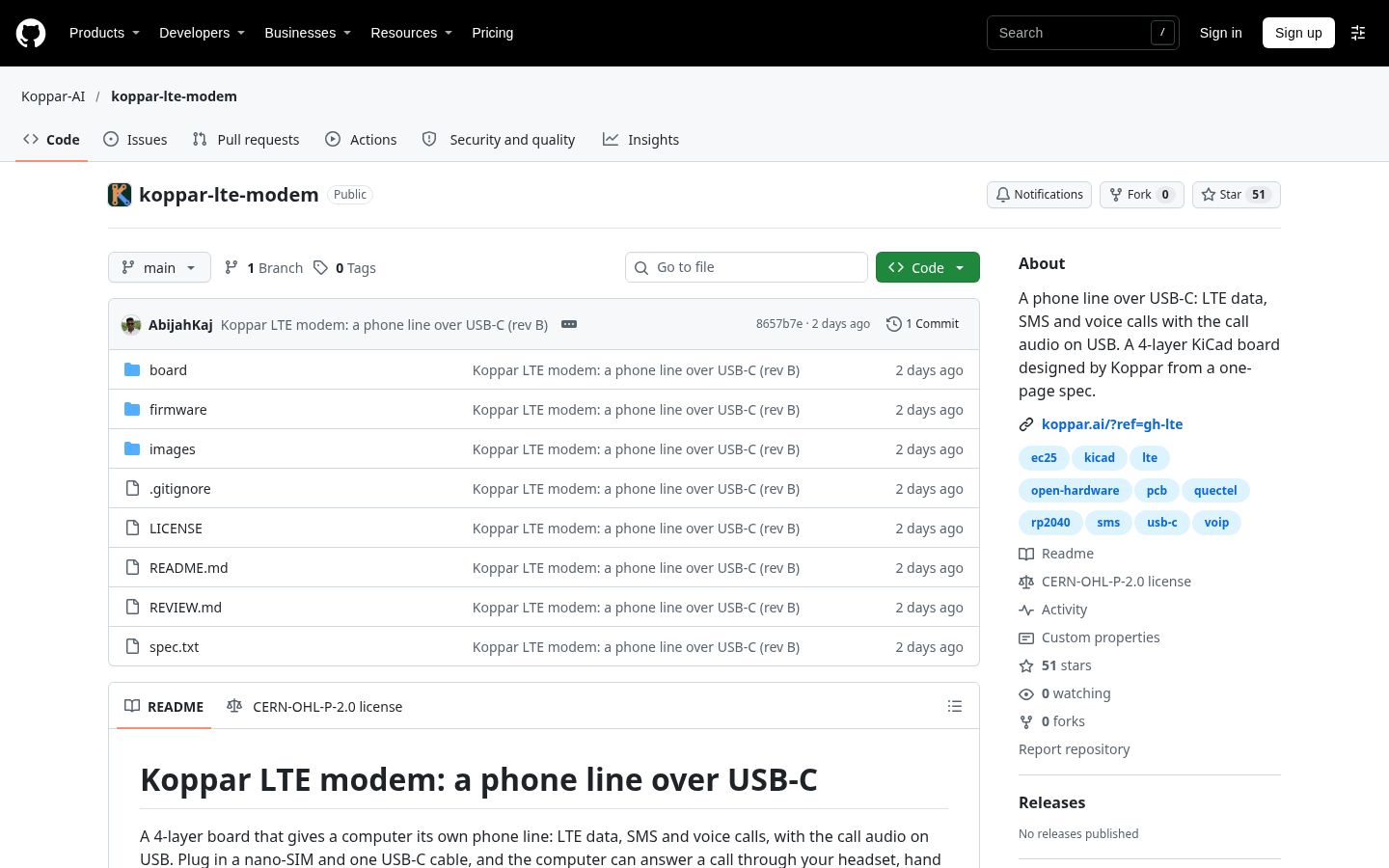
  1. Screenshot of GitHub - Koppar-AI/koppar-lte-modem: A phone line over USB-C: LTE data, SMS and voice calls with the call audio on USB. A 4-layer KiCad board designed by Koppar from a one-page spec.

    GitHub - Koppar-AI/koppar-lte-modem: A phone line over USB-C: LTE data, SMS and voice calls with the call audio on USB. A 4-layer KiCad board designed by Koppar from a one-page spec.

    github.comSaved Nov 2#5

    Koppar's open hardware repository contains a four-layer LTE modem board designed from a one-page spec, with USB data, SMS, and call audio. The board is being ordered; its firmware and first call are still ahead.

    Why it matters. A phone line that a script or agent could use is interesting on its own, and the design review makes this a good look at a spec-driven hardware project. I especially like that the repo documents what went wrong in the first board revision.